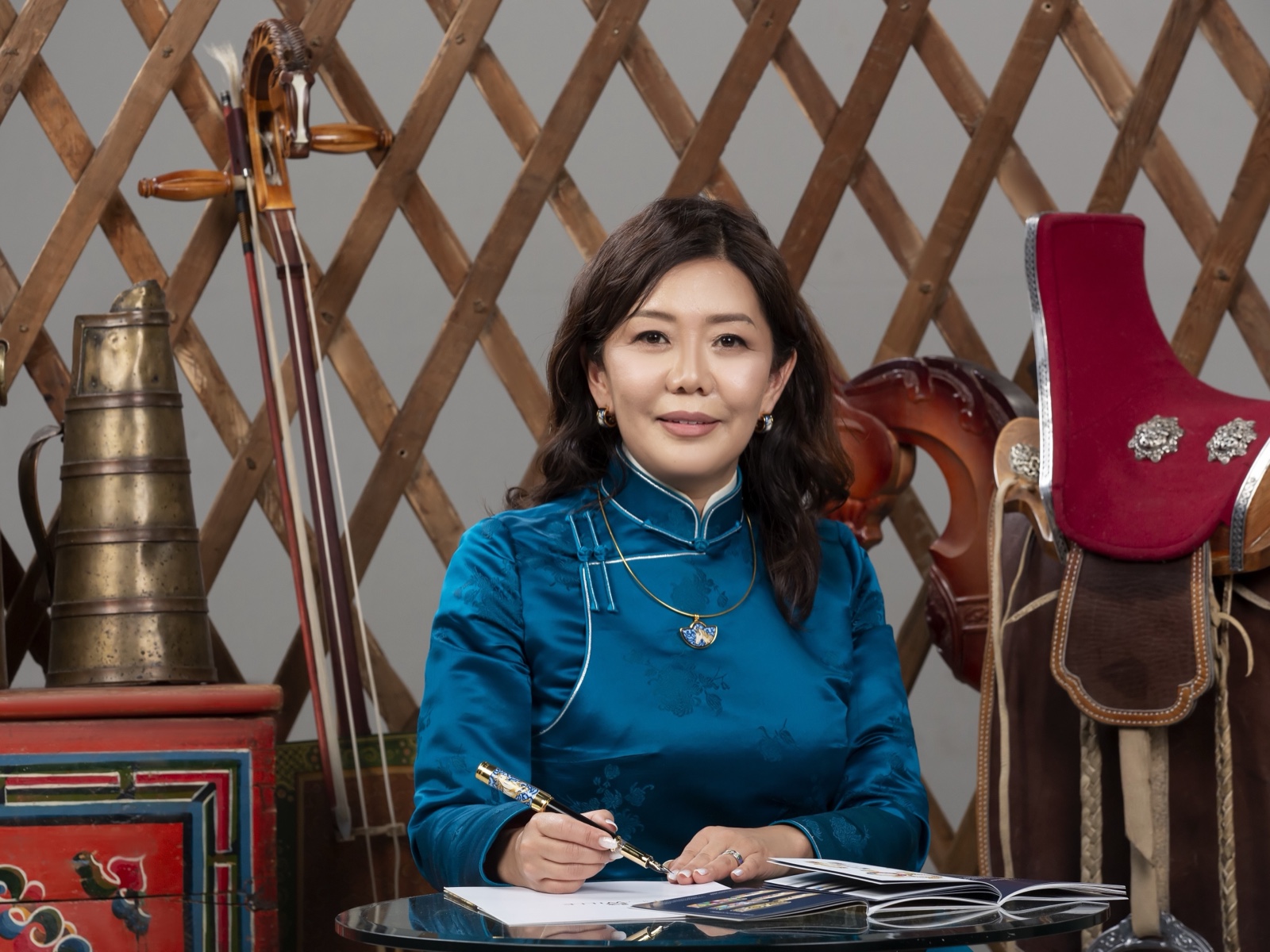
Dr. Odonchimeg Batsukh-Lang, CEO of Freywille Jewellery, is proud of where she comes from, and she is building a business on it. She sees Mongolian identity as a global competitive advantage and believes heritage is not the past, it is the future.
Last updated:
Dr. Odonchimeg Batsukh-Lang traces her understanding of heritage to a specific memory: her father gathering his children around collections of Mongolian medals, stamps, and cultural souvenirs, explaining their history and significance. That early lesson — that culture, customs and traditions are living assets to be understood, preserved and continuously developed — has since become the foundation of her business philosophy. Today, as CEO of Freywille Jewellery and a doctoral graduate of Leopold Franzens University Innsbruck, Austria, she is building enterprises that connect Mongolian identity with global innovation, and making the case that heritage is not a constraint on competitiveness but the source of it.
What is your leadership philosophy and what has shaped it most significantly?
My leadership philosophy is centered on creating sustainable value through vision, trust, and long-term partnerships. I believe leadership is not about authority, but about bringing people and ideas together around a shared purpose. Having completed my doctoral studies in Austria and worked across business, culture, education, and international cooperation, I have learned that lasting success is built on credibility, consistency, and mutual respect. My Mongolian heritage and international experience have shaped a leadership approach that integrates tradition with innovation. I believe effective leaders must preserve identity while continuously adapting to global change and technological advancement.
What is the one opportunity you believe leaders in the sector are not yet fully capitalising on?
I believe one of the most overlooked opportunities is transforming cultural heritage, customs, traditions, and Mongolian identity into globally relevant products and experiences through innovation. Today’s consumers increasingly seek authenticity, purpose, and meaningful stories behind the products and services they choose. Mongolia possesses unique cultural assets that remain underrepresented in international markets. By combining these strengths with scientific research, technology, modern manufacturing, and international partnerships, we can create innovative products that are deeply rooted in Mongolian identity while meeting global standards. Those who successfully connect heritage with innovation will create new categories of growth and long-term competitive advantage.
What has been the most defining decision you have made for your organisation, and what did it teach you?
The most defining decision I made was choosing to build international bridges rather than focusing solely on local opportunities. Over the years, I have prioritised partnerships across Europe and Asia in culture, healthcare, education, workforce development, and manufacturing. This approach required patience, discipline, and long-term commitment. It taught me that sustainable growth is driven not by transactions, but by trust-based relationships. Strong partnerships create opportunities that no organisation can achieve alone. I learned that organisations generate the greatest impact when they serve as platforms connecting people, industries, and countries around shared goals and mutual value creation.
What key priorities or strategic shifts will define your organisation’s next phase of growth?
Our next phase of growth is defined by three priorities: international collaboration, innovation-driven manufacturing, and human capital development. We are exploring opportunities to offer wellbeing and a healthy lifestyle through strategic partnerships with leading organisations in Asia and Europe. At the same time, we continue expanding initiatives in culture, education, and workforce development. Investing in people remains a core priority because long-term competitiveness depends on talent and knowledge. We also dedicate a portion of our earnings to social impact initiatives in healthcare, education, culture, and the arts, reflecting our belief that business success should contribute to broader societal progress.
“The future belongs to those who can transform heritage, identity, and tradition into innovation that creates value on a global scale.”