
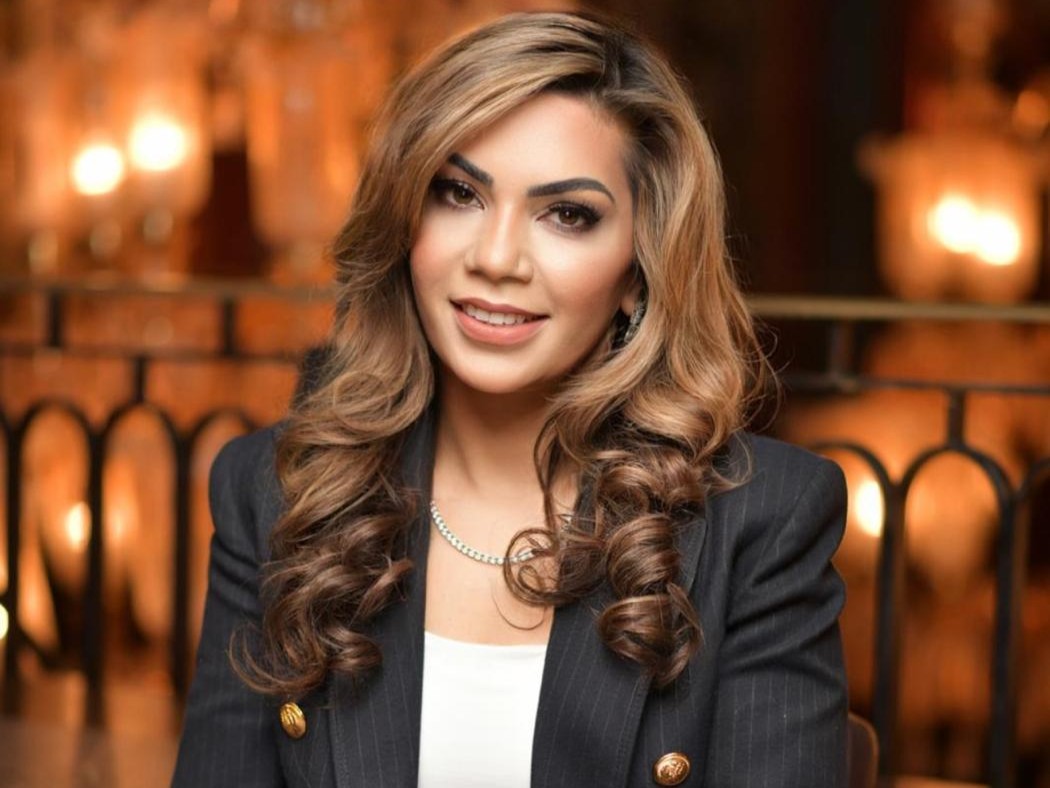
For Prof. Fatima Zaman, CEO, Serenity UK Care, leadership begins with human dignity. Drawing on decades of experience in mental health and social care, she has built Serenity around person-centred support, resilience, and recovery. A strong believer of compassionate leadership, she talks about the future of care services.
For Prof. Fatima Zaman, leadership is not measured by titles or organisational growth alone, but by the lives improved through compassionate and meaningful care. As CEO of Serenity UK Care, she has spent decades working with vulnerable individuals facing complex mental health challenges, shaping a philosophy rooted in empathy, dignity, and resilience. Zaman shares her perspective on leadership, innovation in social care, organisational growth, and the responsibility that comes with supporting people at their most vulnerable.
What experiences have shaped your leadership philosophy?
My leadership philosophy is rooted in resilience and human dignity, leading with empathy first, and strategy second. I believe the strongest leaders are the ones who create genuine psychological safety for their teams, because people only do their best work when they feel safe enough to be honest. Watching people rebuild their lives after a crisis taught me that real strength isn’t about appearing invincible, it’s about being honest about struggle and building forward from it. I carry that same principle into how I lead my organisation.
So what opportunity do you think the care sector is still overlooking?
We are still underestimating the business value of genuinely person-centred, trauma-informed practice. Too many organisations treat this as a compliance requirement rather than a core driver of quality, staff retention, and long-term sustainability. Leaders who invest properly in staff training, wellbeing, and relational care models will outperform those chasing efficiency through rigid, institutional processes because better outcomes for the people we support ultimately mean a stronger, more resilient organisation.
What inspired you to establish Serenity UK Care?
Early in my career, I saw first-hand how many services, often with good intentions, ended up organised around routines, risk-aversion, and control, rather than around the actual person in front of them. I remember thinking that if I ever built something of my own, it had to start from the opposite direction: from the person’s dignity, their recovery, and their right to be genuinely heard, and build the systems and processes around that, rather than the other way round.
That decision was harder in almost every practical sense. It meant building our own frameworks, like the model I later developed drawing on principles of moral treatment and behavioural resilience, instead of simply adopting whatever was already in common use across the sector. It taught me that leadership often means being willing to do things differently, even when it’s harder, slower, or less conventional, because the right way and the easy way are not always the same thing.
What priorities will define your next phase of growth?
We are seeing increasing numbers of individuals referred to us with co-occurring mental illness and substance misuse, autism, or personality disorder diagnoses, whose needs are often too complex for generic placements, and too under-resourced within mainstream mental health services. Building services specifically designed around this level of complexity with the right staffing ratios, clinical oversight, and trauma-informed training is where I believe the greatest unmet need in our sector lies, and it’s where we intend to focus much of our growth. Alongside this, we are continuing to expand our supported living services across London.
Finally, I’m deeply committed to sharing what we’ve learned more widely, through training and education. I’ve delivered CPD-accredited training for care staff on frameworks I’ve developed myself, grounded in moral treatment, dignity, and behavioural resilience, because I believe the biggest lever for raising standards across the whole sector isn’t more regulation, it’s better-equipped, more confident, and more resilient frontline staff.
What message would you like readers to take away?
Only that leadership isn’t about titles or platforms, it’s about the responsibility we carry for the people who trust us with their care, their futures, and sometimes their lives. When you work in this sector, you very quickly learn that the decisions you make on any given day aren’t abstract. They shape whether someone feels safe enough to open up about the voices they’re hearing, whether a young person in crisis feels believed rather than managed, or whether someone rebuilding their life after years of institutional care finally gets to make a choice for themselves again.
That responsibility has kept me grounded through every stage of growth from the early days of building Serenity UK Care from the ground up, through to speaking at platforms like this one, or being invited to contribute academically at Oxford. None of that changes the fundamental job: showing up for people at their most vulnerable, and building organisations, teams, and systems worthy of the trust they place in us.
Everything else I’ve built, the company, the training I deliver, the book, the public speaking, has grown out of that single commitment. If there’s one thing I hope readers take away, it’s that leadership rooted in genuine care for people isn’t a soft add-on to good business. In our sector, it is the business. Get that right, and everything else, growth, reputation, impact, follows naturally.


1 Comment