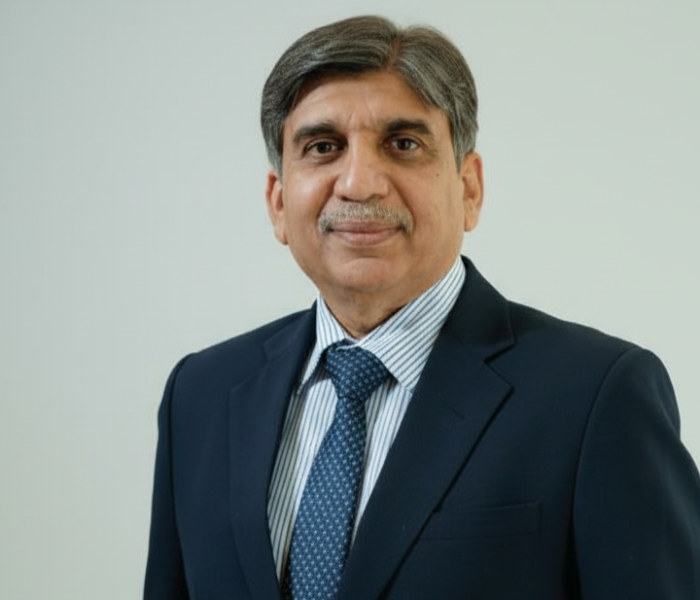

BMW is reshaping its global strategy with leaner management, a more focused model portfolio and wider use of AI, as CEO Milan Nedeljković targets stronger margins and greater competitiveness through the end of the decade.
BMW is preparing for a significant overhaul of how it develops cars, manages its organisation and competes across its biggest global markets.
At its 2026 Capital Market Day, the German automaker outlined a strategy built around cost efficiency, fewer management layers, artificial intelligence, new models and greater regionalisation, as it seeks to strengthen profitability amid tougher competition and changing demand across the automotive industry.
The company is targeting an EBIT margin of 3% to 5% in its automotive division by 2028, before returning to its longer-term target range of 8% to 10% by the early 2030s. Automotive free cash flow is expected to reach at least €7 billion by that point.
A Leaner BMW
Efficiency will be one of the biggest components of the strategy.
BMW plans to make its management structures 20% leaner by mid-2027, while Reuters reports that approximately 8,000 jobs in Germany are expected to be cut. The company is also simplifying its product portfolio, with several models, including the BMW 2 Series Active Tourer, not receiving successors.
But BMW CEO Milan Nedeljković is positioning the changes as more than a cost-cutting programme.
The wider objective is to make the organisation faster and more responsive while directing investment towards products and markets offering stronger returns. BMW says additional measures remain under evaluation, with further decisions expected by spring 2027.
AI Moves Deeper Into Operations
Artificial intelligence will play a significant role in that effort.
BMW plans to expand AI across development, procurement, production and aftersales, with agentic AI expected to support faster development cycles, leaner organisational structures and quicker decision-making.
That makes AI part of BMW’s operational transformation rather than simply a technology being added to its vehicles.
The company is simultaneously expanding its product offering in selected areas. It plans a new luxury SUV positioned above the X7 for the US market and an entry-level fully electric model focused on Europe, scheduled for 2028.
China Strategy Gets More Local
BMW is also changing its approach to China, where European automakers face increasingly strong competition from domestic manufacturers.
The company plans to expand locally tailored production, with 95% of vehicles sold in China expected to be adapted to local customer preferences by 2030. BMW will also rely more heavily on Chinese partners for technologies including autonomous driving and integrated software, while considering exports of China-produced vehicles to Southeast Asian markets.
The strategy reflects the broader challenge confronting established global automakers: protecting premium positioning while becoming faster, more efficient and increasingly software-driven.
For BMW, the response is now taking shape across almost every part of the business, from the cars it builds and markets it prioritises to the size of its management structure and the role AI plays behind the scenes.
The goal is clear: a leaner BMW capable of moving faster while rebuilding automotive margins over the remainder of the decade.
Sources: BMW Group; BMW Group Capital Market Day 2026; Reuters