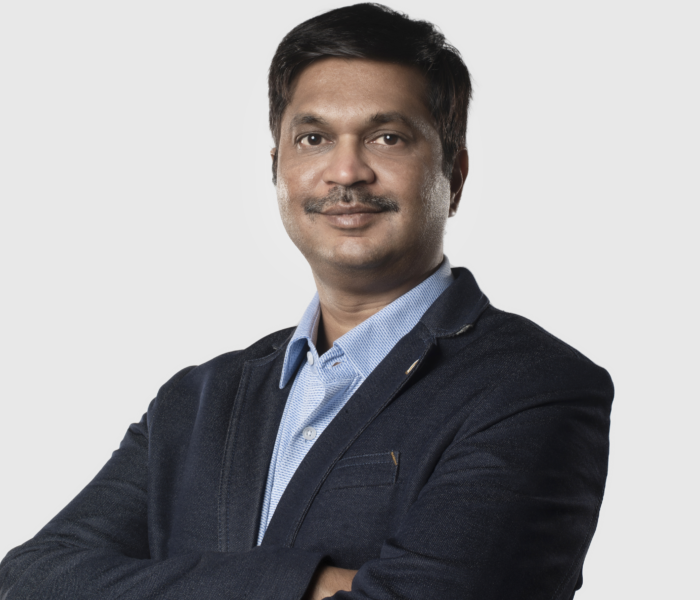

As manufacturing becomes more digital and interconnected, Bishnu Pritam B, Director of Operations at Alfa Flow Control Components, explains why operational excellence begins with people, resilient supply chains, and a culture of continuous improvement.
For Bishnu Pritam B, operational excellence is driven as much by people as it is by processes. From warehouse operations and supply chain management to manufacturing leadership, his career has reinforced the importance of adaptability, collaboration, and continuous improvement. In this conversation, he shares his perspectives on resilient supply chains, operational excellence, and why investing in people remains the foundation of sustainable business success.
Your career spans engineering, supply chain, and manufacturing. What experiences have shaped your leadership philosophy?
My career has taken me from mechanical engineering to supply chain, warehouse operations, and manufacturing. These experiences have taught me that successful organisations are built by people, not just processes. During my time at Flipkart, especially during the Big Billion Days, I learned the importance of teamwork, quick decision-making, and staying calm under pressure. In manufacturing, I realised that leadership is about being present, listening to your team, and solving problems together as a team.
How do you build a culture where operational excellence becomes an everyday habit?
In my view, operational excellence is more about mindset. Every employee should understand how their work contributes to quality, efficiency, and customer satisfaction. I always encourage open communication because the best ideas often come from the people working closest to the process. I also believe leaders should be visible, approachable, and willing to lead by example. Over time, continuous improvement becomes part of the organisation’s culture rather than a separate initiative. That is how efficiency and quality become everyday habits instead of occasional goals.
As global supply chains continue to evolve, where do you see the biggest opportunities for manufacturers?
The biggest opportunity for manufacturers today is building supply chains that are both resilient and adaptable. Recent disruptions, such as the Red Sea shipping crisis, have shown how quickly global supply chains can be affected by geopolitical events. This has reinforced the need for stronger supplier relationships, proper planning, and greater flexibility. Digital tools are making it easier. At the same time, technology alone is not enough. Skilled people who can adapt, solve problems, and respond quickly remain a company’s greatest strength.
How can supply chains become drivers of business growth rather than cost centres?
I have witnessed how better communication between teams leads to faster decisions and smoother operations. Technology provides valuable data, but collaboration across departments is what turns that information into meaningful action. A strong supply chain improves reliability, faster response times, and builds customer trust. When organisations focus on delivering consistent quality and meeting customer expectations, the supply chain becomes a key contributor to business growth rather than just an operational function.
Which technologies will have the greatest impact on manufacturing over the next decade?
I believe AI, automation, and data analytics will reshape manufacturing over the next decade by helping businesses make smarter and faster decisions. Predictive analytics can improve demand forecasting, optimize inventory, and identify potential risks before they become major issues..
At AFCC, we are seeing how greater digital visibility and data-driven decision-making improve operational efficiency, strengthen process control, and support continuous improvement. I also see Industry 4.0 technologies, such as connected factories and real-time monitoring, playing a key role in reducing downtime and improving productivity.
How do you develop future leaders while fostering collaboration and continuous learning?
Future leaders are developed through experience, responsibility, and continuous learning. Giving people opportunities to solve problems and make decisions helps them build confidence and grow naturally. At AFCC, I encourage collaboration between production, quality, procurement, and planning because the best solutions often come when different teams work together. Cross-functional learning gives employees a broader understanding of the business, while open communication, regular feedback, and mentoring create an environment where people feel comfortable sharing ideas and learning from mistakes. When employees trust their leaders and support one another, collaboration becomes stronger, making the organisation more adaptable and better prepared for future challenges.
As manufacturing becomes increasingly data-driven, what strategic priorities will define the future of the industry?
To remain globally competitive, manufacturers need to focus on technology, resilience, and people. Digital transformation should improve decision-making and operational efficiency, while stronger supplier networks and better planning help businesses manage uncertainty. Sustainability should also be a key priority by reducing waste, improving energy efficiency, and using resources more responsibly. Equally important is investing in employee development because technology is most effective when supported by skilled people. Sustainable growth comes from consistently delivering value to customers while building a strong foundation for the future.
Beyond operational success, what legacy do you hope to build through your leadership?
Beyond business results, I hope to be remembered as someone who helped people grow and created a culture where learning, trust, and teamwork were valued. If the people I work with become better professionals, stronger leaders, and continue to grow long after we have worked together, I would consider that my greatest achievement.
For young professionals, my advice is simple: stay curious, be willing to learn from the ground up, and never stop improving yourself. Titles may open doors, but character, consistency, and the willingness to keep learning are what build a lasting career.