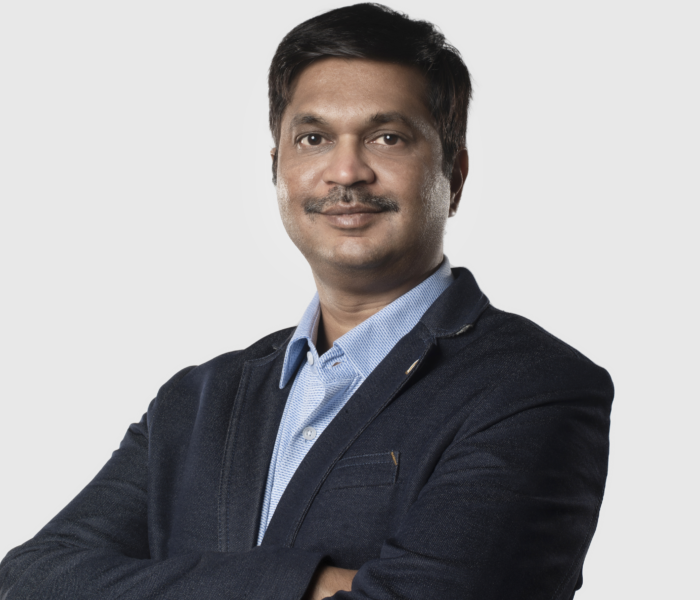
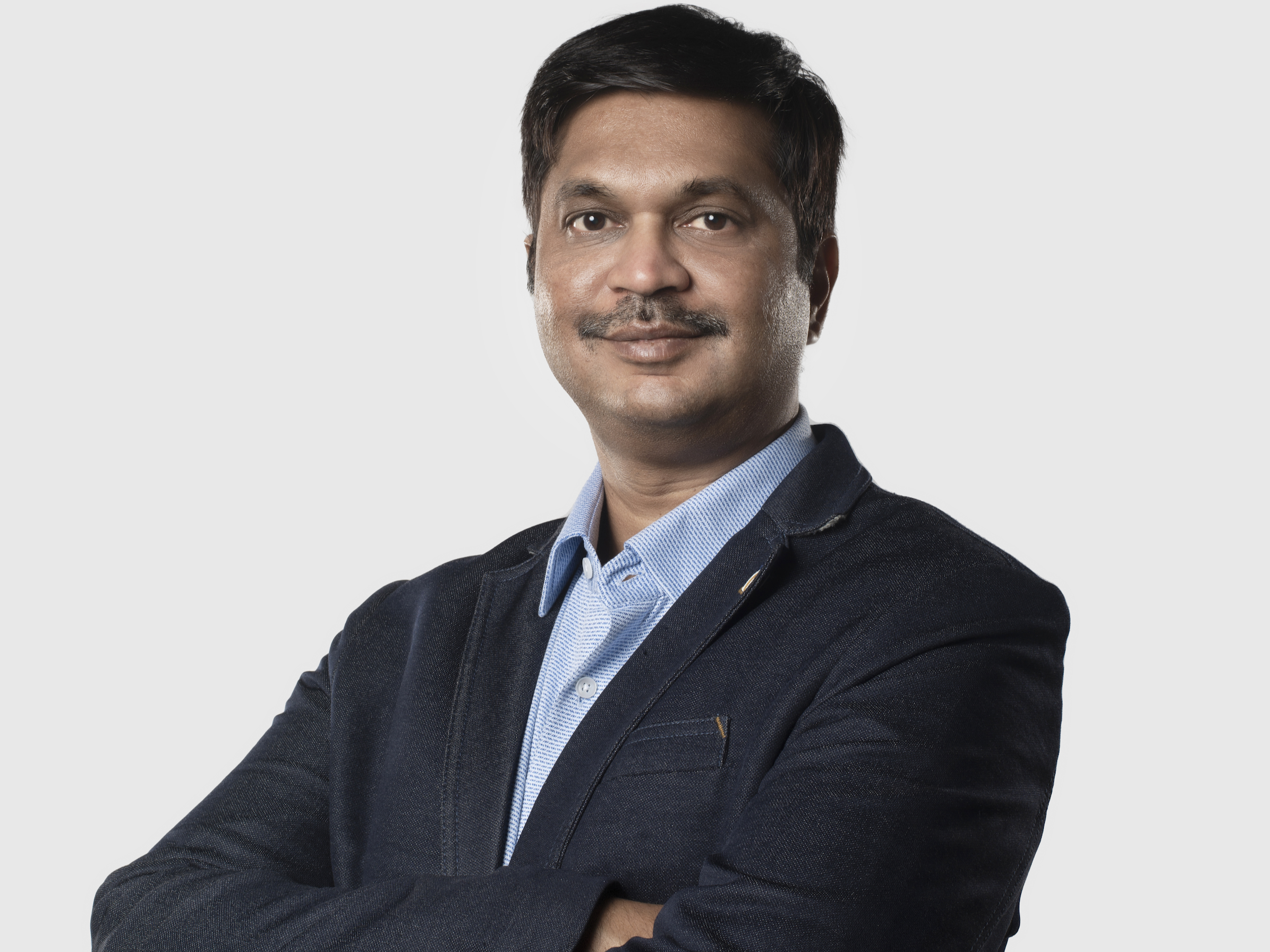
From precision manufacturing to renewable energy and infrastructure, Dr. Unmesh Jagtap, CEO & Director, Sonnenschein Engineering & Infra and Ino-Solar Energy, shares how engineering excellence, innovation, and sustainable thinking are shaping India’s clean energy future.
For Dr. Unmesh Jagtap, engineering is about creating long-term value through innovation, quality, and purposeful execution. From precision manufacturing to renewable energy and infrastructure, his career reflects a commitment to engineering excellence and sustainable growth. In this conversation with Business Frontier, he discusses leadership, India’s clean energy transition, and the technologies shaping the future of engineering.
Your career spans engineering, manufacturing, and renewable energy. What experiences have shaped your leadership philosophy?
My journey has been driven by a passion for engineering and a belief that technology should create meaningful value for society. After completing my Masters in the USA, I had the opportunity to work alongside some of the world’s leading solar energy researchers at Solar Energy Research Center in University of Florida. That experience changed the way I looked at energy, not merely as an industry, but as a catalyst for sustainable development.
Recognizing India’s renewable energy potential, I diversified into solar manufacturing, EPC, energy efficiency, and infrastructure. My leadership philosophy is built on three principles: continuous innovation, uncompromising integrity, and empowering people. Technology changes rapidly, but values and execution remain timeless.
As India accelerates its clean energy transition, where do you see the biggest opportunities for businesses?
India has made remarkable progress in renewable energy, but I believe the next wave of opportunities lies beyond simply installing solar plants. Business leaders need to focus on integrated energy ecosystems where solar power, energy storage, AI-based energy management, passive cooling technologies, and smart infrastructure work together. Through our international collaborations, we have seen how combining these technologies creates significantly greater value than treating them as standalone solutions.
Another overlooked opportunity is energy efficiency. The cleanest unit of energy is the one we never consume. Technologies such as reflective cool roof coatings, energy-efficient buildings, and intelligent power optimization can dramatically reduce energy demand while complementing renewable generation. Companies investing in indigenous R&D and engineering innovation will define the future of this industry.
Engineering businesses rely on both innovation and execution. How has Sonnenschein Engineering built a culture of quality and reliability?
Quality has always been part of my professional DNA. My early experience in automotive manufacturing exposed me to Six Sigma, PPAP, APQP, ISO systems, and world-class manufacturing practices, and those disciplines continue to shape how we execute every project today.
At Sonnenschein Engineering & Infra, our culture rests on three pillars: engineering excellence, execution discipline, and innovation through collaboration. We never compromise on technical quality, while our strategic partnerships enable us to bring globally proven technologies to Indian customers, adapted to local conditions. For us, success is measured not by the number of projects completed but by the long-term performance of the systems we deliver and the trust our clients continue to place in us.
What has been the most defining business decision of your entrepreneurial journey?
Perhaps the most defining decision was choosing to diversify from conventional engineering manufacturing into renewable energy while the Indian solar industry was still emerging. Many viewed it as a risky transition, but I believed clean energy would become one of the defining industries of the future. That conviction led us to expand into solar manufacturing, EPC services, energy-efficient products, and international technology partnerships.
Which technologies do you think will have the greatest impact on engineering over the next decade?
I believe Artificial Intelligence will fundamentally transform engineering in much the same way CAD transformed design decades ago.
AI-powered project planning, predictive maintenance, digital twins, drone-based inspections, BIM, IoT-enabled monitoring, and intelligent energy management systems will improve project efficiency, reduce operational risks, and optimise lifecycle performance.
We are already exploring AI-based power optimisation technologies because we believe future infrastructure will not simply generate energy, it will intelligently manage and optimise it. However, technology should support engineering judgement, not replace it.
How do you prepare future leaders while fostering continuous learning?
Learning has been central to my own journey, and it remains central to our organisation today. We encourage our teams to continuously upgrade their technical knowledge while developing leadership, communication, and commercial understanding. Young engineers are given responsibilities early and supported by experienced mentors.
Beyond our organisation, I actively contribute as an industry mentor and technical advisor because I strongly believe industry and academia must work together to prepare the next generation of engineers. Innovation flourishes when people are trusted, encouraged to experiment, and allowed to learn from both success and failure.
What are Sonnenschein Engineering’s strategic priorities for the next phase of growth?
The next phase of our growth will focus on creating integrated sustainable infrastructure rather than delivering isolated engineering solutions.
We intend to strengthen our presence in solar EPC, project development, advanced energy solutions, passive cooling technologies, and AI-enabled energy management while expanding our international technology collaborations.
We also see tremendous opportunity in helping industries achieve their decarbonisation goals through integrated solutions that combine renewable energy, energy efficiency, and digital technologies. Ultimately, our vision is to build globally competitive engineering solutions developed in India that contribute to India’s aspiration of becoming a clean energy leader.
Beyond business success, what legacy do you hope to leave behind?
The legacy I aspire to leave is not simply a successful company but an organisation that contributes to society through innovation, sustainability, and ethical leadership. If people remember me as someone who helped advance renewable energy, promoted indigenous engineering innovation, mentored future entrepreneurs, and created technologies that improve lives, I would consider that my greatest achievement.