
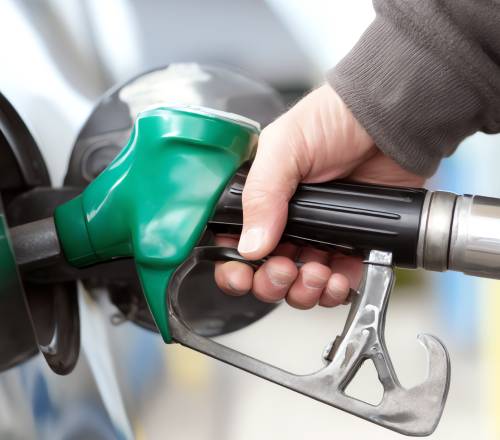
The UAE Fuel Price Committee has announced the first fuel price reduction since February, with diesel falling 73 fils per litre to Dh3.60, the steepest monthly cut since market-linked pricing was introduced in 2015, as global oil markets respond to easing geopolitical tensions and recovering Strait of Hormuz traffic
Last updated:
The UAE’s first fuel price reduction since the start of the Middle East conflict arrived on July 1, 2026, as the Fuel Price Committee announced cuts across all fuel grades, ending four consecutive months of increases that had pushed pump prices more than 60% above their February levels.
Diesel recorded the sharpest cut, falling 73 fils per litre from Dh4.33 to Dh3.60, a reduction of 16.9%. Petrol grades saw comparable relief: Super 98 fell from Dh3.95 to Dh3.40 (down 13.9%), Special 95 from Dh3.83 to Dh3.29 (down 14.1%), and E-Plus 91 from Dh3.76 to Dh3.21 (down 14.6%). The cuts are among the biggest month-on-month reductions since the UAE adopted market-linked fuel pricing in 2015.
The revision reflects June’s sharp decline in global crude prices. Brent crude, which had briefly traded above $110-$120 per barrel in May as Strait of Hormuz disruptions intensified, has since retreated to around $73 a barrel as commercial traffic through the strait gradually recovered and diplomatic efforts reduced fears of a prolonged supply shock. Because UAE fuel prices are calculated on the previous month’s average crude prices, June’s lower levels fed directly into July’s pump rates.
JULY 2026 FUEL PRICES AT A GLANCE
| Fuel Grade | June Price | July Price | Change |
|---|---|---|---|
| Super 98 | Dh3.95 | Dh3.40 | -55 fils (-13.9%) |
| Special 95 | Dh3.83 | Dh3.29 | -54 fils (-14.1%) |
| E-Plus 91 | Dh3.76 | Dh3.21 | -55 fils (-14.6%) |
| Diesel | Dh4.33 | Dh3.60 | -73 fils (-16.9%) |
WHAT THIS MEANS FOR BUSINESS
The diesel cut is the number that matters most. Diesel is the primary fuel for freight, logistics, last-mile delivery, construction, and field service operations, sectors where fuel flows directly into route costs, dispatch budgets, and margin calculations.
A business drawing 10,000 litres of diesel in July will spend Dh7,300 less than in June. At 50,000 litres monthly, typical for a mid-sized fleet operator, that is Dh36,500 back in the budget in a single month. For parcel handlers, wholesalers, and contractors who build route plans and delivery budgets around pump costs, the relief is immediate and measurable.
The construction sector, which had absorbed elevated diesel costs through an active project pipeline, will see direct cost compression, particularly relevant as major infrastructure projects across the UAE continue at pace heading into H2 2026.
Retail and hospitality businesses that depend on supply chain deliveries should begin to see modest downward pressure on logistics costs, though the full pass-through to supplier pricing typically takes one to two billing cycles.
For corporate fleet managers, the July cut restores meaningful room in monthly transport budgets. A 100-litre commercial diesel refill now costs Dh360, down from Dh433 in June, a saving of Dh73 per stop.
The July price cut arrives just two months after a landmark shift in the UAE’s energy positioning. The country formally exited OPEC and OPEC+ on May 1, 2026, ending 59 years of membership, freeing it to set production levels independently of cartel quotas. The UAE has a target of 5 million barrels per day of production capacity by 2027, up from its previous OPEC-capped output of around 3.4 million barrels per day. For businesses, the long-term implication is a UAE that is increasingly able to respond to global oil market conditions on its own terms, including, as July’s pricing demonstrates, passing the benefits of lower crude prices directly through to domestic fuel rates without the constraints of coordinated production cuts.
Sources: UAE Fuel Price Committee official announcement, July 1, 2026; Gulf News; Khaleej Times; Arabian Business; Gulf Business; CNBC; Al Jazeera; WAM (UAE official news agency).