
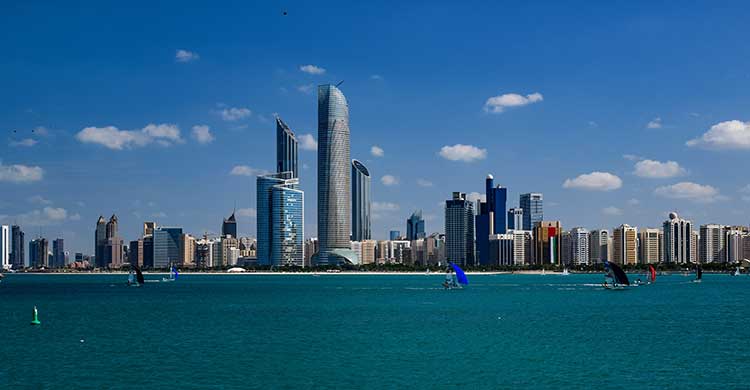
Dubai’s property market has evolved from a speculative investment hotspot into one of the world’s most closely watched real estate ecosystems. From tax advantages and long-term residency incentives to strong rental yields and global investor demand, Dubai continues to attract entrepreneurs, expats, institutional investors, and high-net-worth individuals.
But should you actually buy property in Dubai in 2026?
The answer depends on your goals.
For some buyers, Dubai offers strong rental income, capital appreciation, and lifestyle advantages. For others, market timing, service charges, financing costs, and location selection can significantly impact returns.
Understanding how Dubai’s property market works before investing is essential.
This guide explores Dubai property laws, freehold ownership rules, rental yields, hidden costs, investment risks, and the factors buyers should evaluate before purchasing property in the UAE.
Why Dubai’s Real Estate Market Continues to Attract Global Buyers
Dubai has positioned itself as one of the most investor-friendly real estate markets in the world.
Several factors continue to drive international demand:
- Zero annual property tax
- Strong infrastructure development
- Long-term residency programs
- Global business connectivity
- High rental demand from expatriates
- Relatively high rental yields compared to mature global cities
According to data from the Dubai Land Department and multiple industry reports, Dubai’s residential property transactions have remained strong over the last few years, supported by population growth, foreign investment inflows, tourism expansion, and business migration.
Compared to cities like London, Singapore, or Hong Kong, Dubai often offers:
- Lower entry prices per square foot
- Higher gross rental yields
- Newer infrastructure
- Easier investor onboarding processes
Dubai’s appeal also extends beyond investors.
Remote professionals, startup founders, digital entrepreneurs, and families relocating to the UAE increasingly view property ownership as a long-term lifestyle decision rather than purely a speculative investment.
The city’s infrastructure, safety, healthcare systems, connectivity, and international schooling ecosystem continue to strengthen Dubai’s attractiveness as a global residential hub.
How Property Ownership Works in Dubai
One of the biggest questions international buyers ask is:
Can foreigners buy property in Dubai?
The answer is yes.
Non-UAE nationals can legally purchase property in designated freehold areas across Dubai.
Freehold ownership allows buyers to:
- Fully own the property
- Sell the property
- Lease the property
- Inherit the property
- Benefit from capital appreciation
Popular freehold areas include:
- Downtown Dubai
- Dubai Marina
- Palm Jumeirah
- Business Bay
- Jumeirah Village Circle (JVC)
- Dubai Hills Estate
- Arabian Ranches
Dubai also offers leasehold zones where ownership rights are granted for long-term periods rather than permanent ownership.
Before purchasing, buyers should verify:
- Developer reputation
- Title deed status
- Escrow registration
- Service charges
- Maintenance liabilities
- Mortgage eligibility
The Dubai Land Department (DLD) and RERA regulate the sector to improve transparency and investor confidence.
Who Should Consider Buying Property in Dubai?
Dubai property investment is not one-size-fits-all.
Different buyer profiles benefit in different ways.
1. Long-Term Investors
Investors seeking rental income and long-term capital appreciation may benefit from Dubai’s relatively strong rental yields and growing demand.
Areas with strong rental demand often attract:
- Young professionals
- Expat families
- Entrepreneurs
- Tourists using short-term rental platforms
2. Entrepreneurs & Business Owners
Business owners relocating to Dubai may prefer ownership over long-term renting.
Owning property can provide:
- Greater stability
- Potential residency advantages
- Asset diversification
- Long-term wealth preservation
3. Expats Planning Long-Term Residence
For expats planning to remain in the UAE for several years, buying may become financially attractive compared to rising rental costs.
However, buyers should still evaluate:
- Job stability
- Financing costs
- Exit flexibility
- Market timing
4. Lifestyle Buyers
Some buyers prioritize lifestyle over returns.
Luxury waterfront living, high-end amenities, golf communities, and branded residences continue to attract buyers looking for premium living experiences.
Understanding Dubai Property Laws for Expats
Dubai’s real estate market is heavily regulated compared to its early boom years.
The Real Estate Regulatory Agency (RERA) oversees licensing, escrow regulations, and developer compliance.
Important legal considerations include:
Freehold Ownership
Foreign nationals can buy in designated freehold areas.
Ownership rights are legally recognized and registered through the Dubai Land Department.
Escrow Protection
Developers selling off-plan projects are generally required to use escrow accounts to protect buyer funds.
This reduces the risk of incomplete or abandoned projects.
Title Deed Registration
Property ownership is documented through official title deeds issued by the Dubai Land Department.
Inheritance Planning
Expats should consider wills and succession planning.
Without proper legal documentation, inheritance procedures may become more complex.
Residency Visas Linked to Property
Certain property investments may qualify buyers for long-term UAE residency visas depending on eligibility thresholds and government policies.
Visa rules can change, so buyers should confirm current regulations with licensed legal or immigration professionals.
Investment Returns and Rental Yields in Dubai
One reason Dubai remains attractive to investors is rental yield potential.
In many mature global markets, residential rental yields often range between 2% and 4%.
Dubai frequently reports higher average gross yields depending on:
- Property type
- Location
- Furnishing quality
- Building age
- Short-term vs long-term leasing
Areas such as:
- JVC
- Dubai Marina
- Business Bay
- International City
- Dubai Silicon Oasis
have historically attracted investors targeting rental returns.
However, investors should understand the difference between:
Gross Yield
Rental income before expenses.
Net Yield
Actual return after:
- Service charges
- Maintenance
- Vacancy periods
- Property management
- Mortgage interest
- Agency fees
This distinction matters because some investors overestimate profitability by focusing only on headline yield figures.
Short-term holiday rental models may generate higher income potential but often involve:
- Higher operational costs
- Regulatory requirements
- Furnishing expenses
- Seasonal occupancy fluctuations
Costs Beyond the Property Purchase Price
One of the most common mistakes first-time buyers make is underestimating transaction and ownership costs.
The property price itself is only part of the equation.
Additional costs may include:
Dubai Land Department Fees
Typically a percentage of the property value.
Real Estate Agency Commission
Usually charged during the transaction process.
Mortgage Processing Fees
Applicable for financed purchases.
Service Charges
Annual maintenance fees for shared facilities and building upkeep.
Luxury properties often carry significantly higher service charges.
Property Insurance
Recommended for owners and landlords.
Furnishing Costs
Especially important for short-term rental investments.
Maintenance & Vacancy Costs
Unexpected repairs and tenant turnover periods can impact profitability.
Buyers should calculate total ownership cost rather than focusing solely on marketing brochures or headline ROI claims.
Off-Plan vs Ready Property: Which Is Better?
Dubai offers two major investment routes:
Off-Plan Property
Properties purchased before construction completion.
Advantages:
- Lower entry prices
- Flexible payment plans
- Potential appreciation before completion
Risks:
- Project delays
- Market shifts
- Developer quality concerns
Ready Property
Completed and immediately usable units.
Advantages:
- Immediate rental income
- Lower uncertainty
- Easier inspection
Challenges:
- Higher upfront cost
- Smaller payment flexibility
The right choice depends on risk tolerance, cash flow strategy, and investment horizon.
Common Mistakes Buyers Make in Dubai Real Estate
1. Chasing Unrealistic ROI Claims
Some marketing campaigns exaggerate expected returns.
Always calculate net yield.
2. Ignoring Service Charges
A property with low purchase cost but extremely high service fees may reduce long-term profitability.
3. Buying Only Based on Hype
Trending areas can become overheated quickly.
Study infrastructure, occupancy trends, and long-term demand.
4. Not Researching the Developer
Developer reputation matters significantly in off-plan investments.
5. Overleveraging With Mortgages
Interest rate fluctuations can impact affordability.
6. Ignoring Exit Strategy
Every investor should think about resale demand before buying.
Is Dubai Property a Good Investment in 2026?
Dubai remains one of the more dynamic global property markets.
The city continues to benefit from:
- population growth
- tourism expansion
- foreign investment
- infrastructure development
- business migration into the UAE
However, no real estate market is risk-free.
Buyers should evaluate:
- market cycles
- financing conditions
- oversupply risks
- developer quality
- macroeconomic trends
The strongest opportunities often come from disciplined research rather than emotional buying.
Investors focusing on:
- strong locations
- realistic yields
- long-term holding periods
- reputable developers
are generally better positioned than speculative short-term buyers chasing rapid appreciation.
FAQs About Buying Property in Dubai
Can foreigners buy property in Dubai?
Yes. Foreign nationals can purchase property in designated freehold areas across Dubai.
Do Dubai property owners pay annual property tax?
Dubai currently does not impose annual residential property taxes similar to many Western markets.
What is the minimum investment required to buy property in Dubai?
Minimum investment depends on property type, location, and developer pricing.
Can property investment help obtain a UAE residency visa?
Certain real estate investments may qualify buyers for long-term residency programs depending on prevailing regulations.
Is it better to buy off-plan or ready property?
Off-plan properties may offer lower entry costs, while ready properties provide immediate usability and rental income.
What are typical rental yields in Dubai?
Rental yields vary by area and property type but are often considered comparatively strong versus many mature global cities.
Are mortgages available for expats in Dubai?
Yes. Many UAE banks offer mortgage products for eligible expatriate buyers.
What are the biggest risks in Dubai real estate?
Common risks include oversupply, market volatility, developer delays, high service charges, and unrealistic ROI expectations.
Which areas are popular among investors?
Dubai Marina, Downtown Dubai, JVC, Business Bay, Palm Jumeirah, and Dubai Hills Estate remain widely discussed among investors.
Should you buy property in Dubai in 2026?
For buyers with clear financial goals, long-term planning, and proper market research, Dubai can offer attractive opportunities. However, every purchase should be evaluated individually based on risk tolerance, budget, and investment strategy.
Final Verdict: Should You Buy Property in Dubai?
Dubai’s property market offers a rare combination of global connectivity, investor accessibility, modern infrastructure, and relatively attractive rental yields.
For many buyers, especially entrepreneurs, expats, and long-term investors, Dubai real estate can become both a lifestyle asset and an investment vehicle.
But successful investing in Dubai is rarely about hype.
It is about:
- choosing the right location
- understanding regulations
- calculating real ownership costs
- researching developers carefully
- maintaining realistic return expectations
Buyers who approach Dubai real estate strategically rather than emotionally are far more likely to benefit from the opportunities the market continues to offer in 2026.