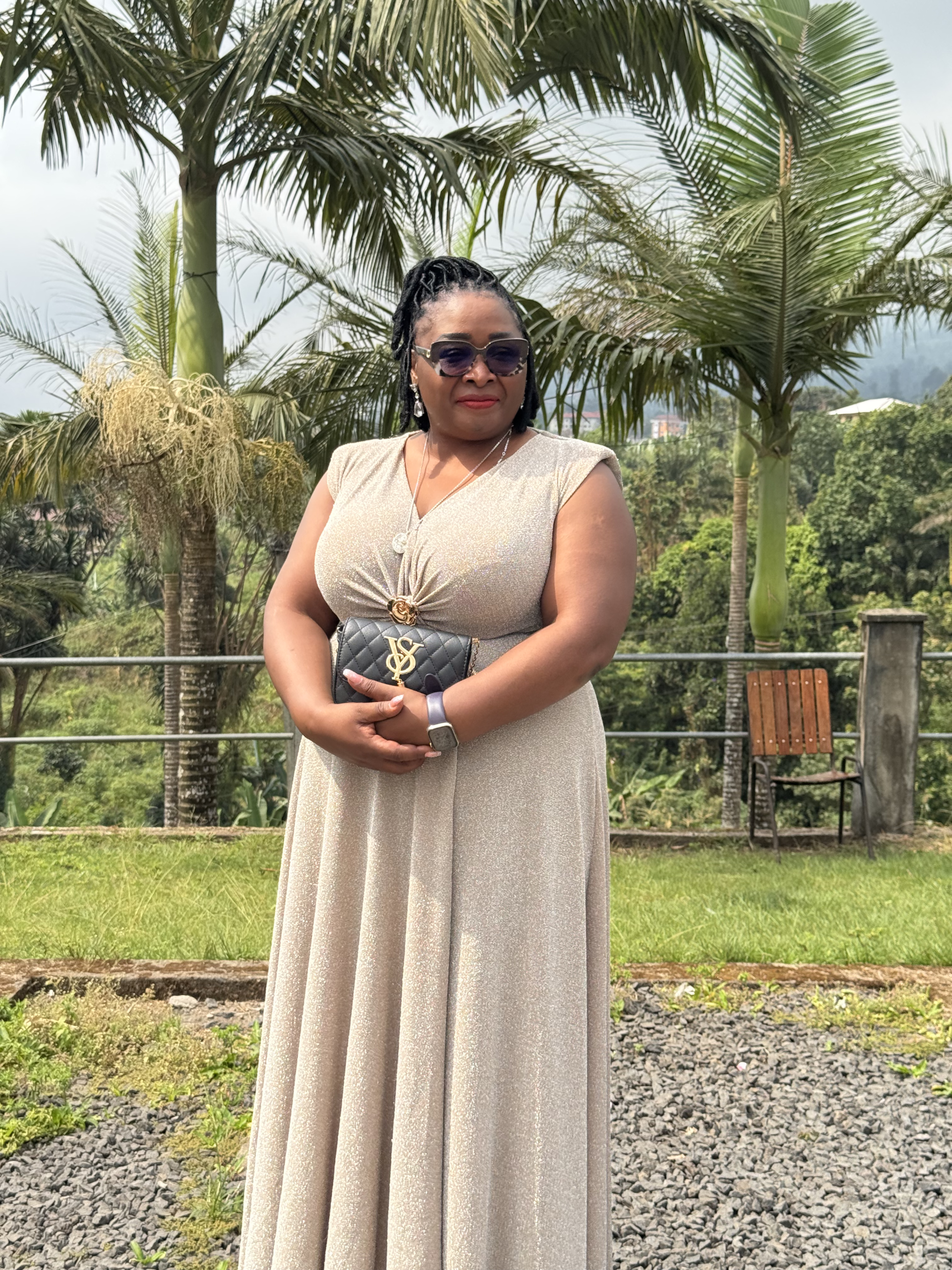
Dr. Laura Viban, Director of the American International School of Brazzaville, is championing inclusive, globally minded education that prepares students for lifelong success.
Growing up in a family of educators, I was surrounded by the values of learning, integrity, and perseverance from an early age. My journey began as an English teacher at the British Council before expanding into international education, where I discovered the transformative power of diverse learning environments.
Over the years, I continued to strengthen my expertise through advanced studies in education, educational leadership, and school management. Every stage of my journey has reinforced one belief: education is not simply about academic achievement, it is about empowering individuals to reach their full potential and become responsible global citizens.
As Director of the American International School of Brazzaville, what makes the institution unique?
AISB is a close-knit international community that delivers globally recognised education through the International Baccalaureate programmes alongside the American High School Diploma.
Since our first graduating class, we have maintained a 100 percent university acceptance rate, with students pursuing higher education across the world. Beyond academics, we focus on nurturing confident, compassionate, and internationally minded learners through strong faculty development, community engagement, and a culture that values diversity and inclusion.
What teaching approaches do you believe are preparing students best for the future?
Education today must move beyond traditional classroom instruction. At AISB, we combine inquiry-based learning with project-based activities, technology integration, and personalised learning to develop communication, critical thinking, creativity, and collaboration.
Equally important is social-emotional learning, which helps students build resilience, empathy, and self-awareness. Through international collaborations, cultural exchange programmes, and initiatives such as Model United Nations, we encourage students to think globally while remaining grounded in strong personal values.
What has been your biggest leadership challenge, and what continues to motivate you?
Leading an international school in a diverse environment presents challenges ranging from teacher recruitment and infrastructure limitations to supporting students from more than 40 nationalities.
We overcome these through careful planning, strong community partnerships, and an unwavering commitment to inclusion and excellence. What motivates me most is seeing students and educators grow with confidence. Every achievement, whether academic, personal, or professional, reinforces my belief that an educator’s impact extends far beyond the classroom.