Last updated:
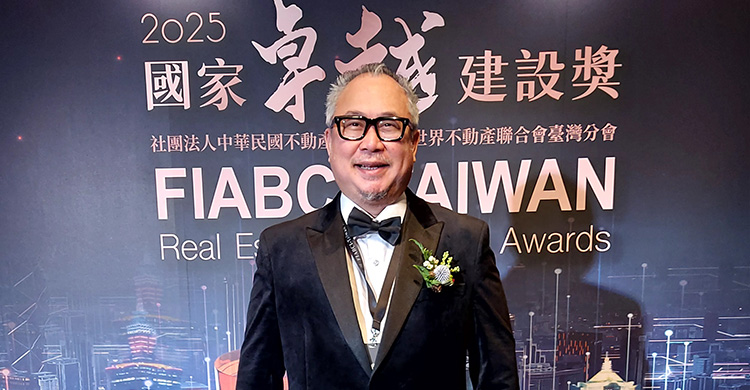
For Rusmin Lawin, President of FIABCI Asia Pacific and Global Ambassador of Real Estate Indonesia, real estate is far more than the construction of buildings or the movement of property markets. It is a platform for economic mobility, international collaboration, and long-term urban transformation.
Over the past two decades, Lawin has built a global presence across real estate, connecting developers, investors, and policymakers through international platforms such as FIABCI, Fundacion Metropoli and The Cities and Local Governments Institute (CLGI) Asia-Pacific. His work spans industry leadership, investment diplomacy, and advisory roles on major development initiatives, positioning him at the intersection of global capital and emerging opportunities.
In addition to leading FIABCI’s Asia Pacific region, Lawin has helped advance property technology initiatives, fostering global partnerships, and advocating for sustainable urban development through international institutions.
In this conversation with Business Frontier, Lawin reflects on how real estate leadership is evolving, the growing role of global investment networks, and why the industry must think beyond property toward broader economic ecosystems.
Q. You’ve often spoken about the importance of real estate in driving economic growth. How do you see the industry evolving globally in the next decade?
Real estate will continue to be one of the most influential sectors in the global economy because it connects so many industries. Property development alone supports around 175 downstream industries, from construction materials and engineering to finance and infrastructure services.
What is changing today is the scale of international collaboration. Developers, investors, and governments are increasingly working together across borders to shape long-term urban development. Real estate is no longer only a domestic industry; it has become part of a global economic network.
In the coming decade, we will see stronger connections between real estate, technology, and sustainability. Property markets will increasingly rely on data, digital platforms, and environmental standards to guide development decisions.
Q. Your work helps connect international investors with development opportunities. What role does investment diplomacy play in real estate?
Investment diplomacy is about creating trust and long-term relationships between countries, institutions, and investors. In real estate, major development projects require significant capital and long planning horizons. Governments need reliable partners, and investors need confidence in the stability and governance of the projects they support.
My role often involves helping bridge that gap by connecting international investors with credible opportunities and ensuring that development strategies align with broader economic and sustainability goals. When these relationships are built successfully, real estate becomes more than a commercial activity; it becomes a driver of international cooperation and economic development.
Q. Property technology has become an important theme in the industry. How do you see PropTech shaping the future of real estate?
Property technology is transforming the way the industry operates. Traditionally, real estate has been considered a very conservative sector, but digital innovation is changing that. Through initiatives such as the Indonesia Proptech Association, we are encouraging developers and property professionals to adopt technologies that improve efficiency, transparency, and market accessibility.
PropTech is not only about digital platforms or smart buildings. It also includes better data analysis, improved property management systems, and new ways of connecting buyers, investors, and developers globally. Over time, these technologies will make the real estate market more transparent and more accessible to a wider range of participants.
Q. With such a broad international role, how do you maintain influence across multiple organizations and networks?
For me, the key is consistency and commitment. Building a global network takes many years, and relationships must be nurtured continuously. I have always believed in having clear short-term, mid-term, and long-term goals. This approach allows me to stay focused while also adapting to changing circumstances in the market.
Another important factor is communication. Whether through international forums, professional associations, or advisory roles, maintaining open dialogue with partners around the world helps create stronger collaboration and trust.
Q. What lessons from your career would you share with the next generation of real estate leaders?
The most important lesson is to stay committed to your chosen field. You cannot move from one industry to another constantly and expect to build deep expertise. In my case, I have been dedicated to the property sector since 1999. Over time, that consistency helped me build a reputation and establish a global network of partners.
Young professionals should also understand that real estate today requires more than technical knowledge. It involves economics, international relations, sustainability, and technology. Those who can navigate these different areas while maintaining strong professional relationships will be the ones who shape the future of the industry.