Last updated:
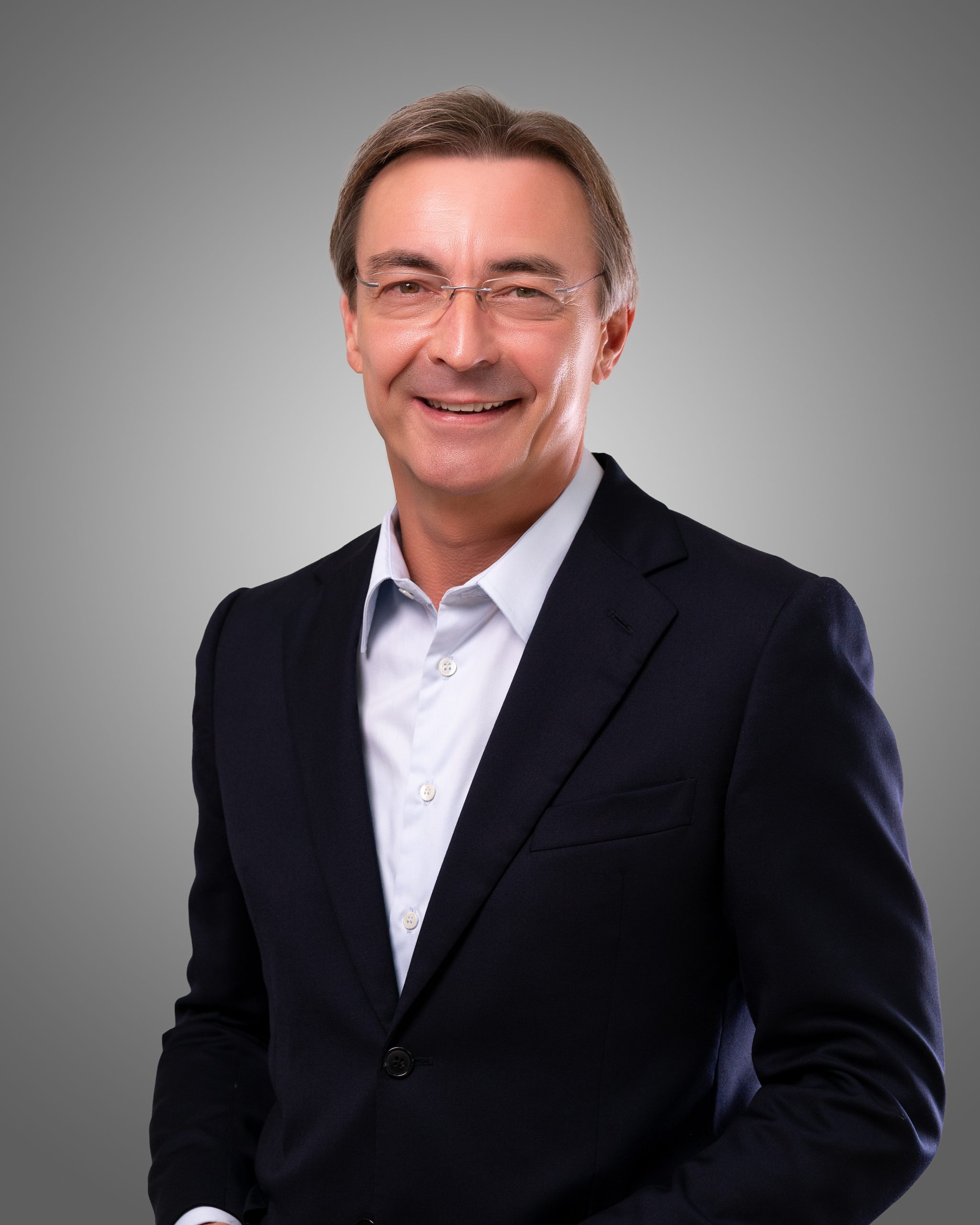
Facilities management has spent decades in the background, but the industry is undergoing a quiet revolution. Few are better positioned to articulate it than Karl-Heinz Otto Mair, CEO of Berkeley Services and CEO (International) for Klüh Multiservices. Drawing on 40 years of UAE expertise and the depth of a 114-year-old multinational, Mair is reframing FM as a strategic partnership built on trust, technology, and people.
Q. Facilities management is increasingly viewed as a strategic enabler of asset performance rather than a support function. How do you see the role of integrated facilities management evolving globally?
Globally, facilities management has already been undergoing a structural transformation for years. It is no longer simply about maintaining buildings; it is about enabling the long-term performance of assets and the environments in which people live and work. Integrated Facilities Management (IFM) is becoming central to this shift. Clients today expect partners who can combine engineering expertise, operational efficiency, digital intelligence, and sustainability into a unified service model. Data and technology continues to redefine the sector. Platforms that integrate AI, analytics, and operational insights allow service providers to anticipate issues, optimize energy usage, and extend asset life cycles. In the coming years, the most successful organizations will be those that move beyond transactional service delivery and position themselves as strategic partners in managing complex, high-value built environments.
Q. In a sector shaped by technology, sustainability mandates, and rising client expectations, how do you ensure your organization stays ahead of structural shifts rather than reacting to them?
Staying ahead of structural change requires a mindset of continuous evolution. Organizations that anticipate change and prepare for it early are able to create stronger and more sustainable long-term value. For Berkeley, this approach is strengthened through close alignment with global best practices from our parent organization, Klüh Multiservices.
Headquartered in Düsseldorf, Germany, the group brings more than 114 years of international experience and operates across six countries with a multinational workforce of over 46,000 professionals. This global ecosystem enables the transfer of knowledge, innovation, and operational expertise across markets. At the same time, Berkeley brings more than 40 years of regional expertise in the UAE, allowing global standards to be adapted effectively to local market realities.
Equally important is investing in internal capability. Technology plays an important role, but meaningful transformation ultimately comes from people who understand both operational realities and the digital tools shaping the future of facilities management.
Q. With a diverse, multicultural workforce at the heart of your operations, how do you build a culture that drives accountability, performance, and pride at every level of the organization?
It begins with respect. Every role in an organization contributes to the reliability of support being delivered. Recognizing that contribution, whether in engineering, operations, or support functions, creates a sense of ownership. A service organization is ultimately defined by its people. In markets like the UAE, where teams come from many cultures and backgrounds, building a unified culture requires clarity and fairness above all else. Accountability begins with leadership by setting clear expectations and demonstrating them consistently. When employees see that standards are applied equally across the organization, trust develops naturally. Equally important is a strong focus on training and development, ensuring that employees can see a clear pathway for growth within the organization. When individuals feel valued and supported, performance improves, and with it, a genuine sense of pride in the organization. Culture is not created through statements; it is built through everyday actions.
Q. Having worked across markets, what distinguishes the UAE as a business environment, and what lessons can global executives learn from its pace and ambition?
The UAE has its own business environment defined by ambition, speed, and clarity of vision. What distinguishes the UAE is not only the pace of development but also the openness to global expertise and partnerships. At the same time, UAE needs also maturity processes to effectively adopt complex service solutions.
As a vital part of any ambitious investment process, FM must play a strategic partner role. From that perspective, and across the full life cycle of an investment, we need deeper and more committed engagement from all stakeholders. For global executives, the key lesson is agility.The UAE rewards organizations that move decisively, embrace innovation, and maintain a forward-looking mindset. At the same time, the market places strong emphasis on reliability and trust. Long-term relationships are built through consistent performance and the ability to adapt alongside the country’s dynamic growth trajectory.
Q. Looking ahead, what kind of impact do you hope your leadership will have, both within your organization and on the broader industry?
Looking ahead, I want my leadership to create an environment in which people can truly be effective with clear responsibilities, the freedom to make decisions, and a strong focus on meaningful results. I see leadership as the responsibility to design systems that work. Within the organization, this means developing strong, self-reliant teams and fostering a culture of clarity, trust, and accountability. Beyond that, it is important to me to contribute to more sustainable and responsible business practices, where long-term value, clarity, and effectiveness matter more than short-term gains.