



'Architecture is About Shaping Experiences'
Ar. Smita Das shares her philosophy, purpose-driven leadership and the transformative power of inclusive, culturally-rooted architecture
In the ever-evolving world of design, where trends change rapidly and concrete jungles rise overnight, Ar. Smita Das stands out for a radically different reason—her architecture speaks. As the Founder and Principal Architect of Speaking Designs, she believes that every space, regardless of scale or budget, must tell a story and serve a purpose.
Over the past three decades, she has quietly shaped India’s built environment through over 7,000 residential projects and several landmark universities, blending tradition with modernity, and sustainability with sensitivity.
What makes her journey extraordinary is its rootedness. Inspired during a childhood visit to Berlin, trained at the iconic JJ School of Architecture, and now leading one of India’s most mindful design practices, Ar. Das’s leadership is built on empathy, respect, and a tireless commitment to democratizing design.
In an interview, she opens up about her creative process, her leadership philosophy, and why architecture must be as much about heart as it is about structure.
Q. Let’s start with your professional journey. What were the pivotal moments that defined your path in architecture?
The spark was lit early—at 14—during a visit to Berlin. The architectural wonder and modernity of the city were overwhelming yet magnetic. That encounter seeded a lifelong fascination with built spaces. Back in India, despite family expectations of a technical career, I followed that pull toward architecture.
My creativity is also nurtured through art and literature. I paint with charcoal, write plays, short films and immerse myself in Indian storytelling. These other forms of expression sharpen the lens through which I view architecture.
My education at the JJ School of Architecture in Mumbai allowed me to explore the depth of the craft. My thesis project—designing a Hoverport Terminal in CBD Belapur—was my first significant milestone. Designing a prototype metro station for Mumbai in 2008 was another exhilarating milestone in my journey.
Over the course of my 30-year journey, I’ve had the opportunity to design everything from a single toilet to entire townships, from small residential row houses to high-rise towers, and from schools to colleges and universities. Every project has been deeply special to me and remains close to my heart.
Since founding Speaking Designs in 2016, I’ve worked on a range of projects, institutional campuses hold a special place in my heart. The Maulana Mazharul Arbi Farsi University in Bihar along with Ranchi Design and Consultancy Services Pvt. Ltd. was particularly meaningful—not only for its scale and innovation but also for the recognition it received from the Bihar State Educational Infrastructure Development Corporation.
Beyond built work, I’ve found purpose in advocacy—especially in educating the public about the value of good design. The collaboration with UTEC by UltraTech on the “Ghar Ghar Mei Architecture” initiative has been one of the most impactful steps in that direction.
“My creativity is also nurtured through art and literature. I paint with charcoal, write plays, short films and immerse myself in Indian storytelling. These other forms of expression sharpen the lens through which I view architecture.”
Q. What would you consider your most meaningful contribution to the field?
Making architecture more accessible and culturally relevant has been my greatest contribution. I strongly believe that good design isn’t a luxury—it’s a right. Whether a client is building a 100 sq. ft. home or a 100-acre campus, the principles of functionality, harmony, and beauty must apply equally.
The ‘Ghar Ghar Mei Architecture’ campaign has allowed us to reach people who otherwise wouldn’t consult an architect. We’ve demystified the process and inspired families to dream beyond basic shelter. Additionally, the universities I’ve designed— including those still underway—aren’t just buildings; they are nurturing environments meant to shape the next generation. That sense of legacy keeps me grounded and driven.
Q. Could you share some of the recognitions that validate your journey?
While my work has never been recognition-driven, it’s always affirming when it resonates with others. A few highlights include:
- Being named among India’s Top 25 Emerging Architects in the Coffee Table Book series
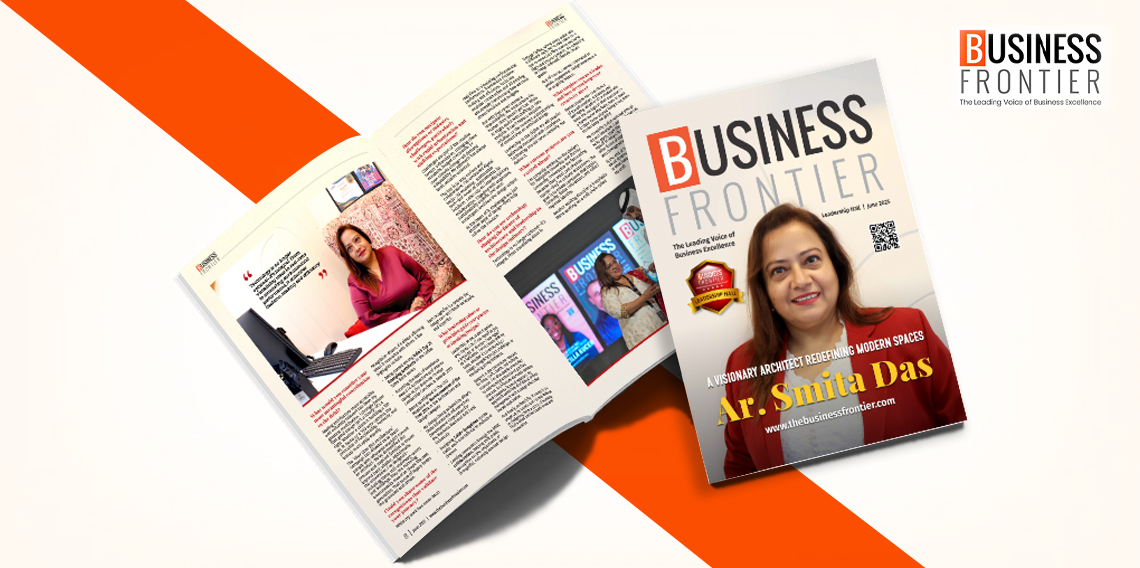
- Receiving the Mark of excellence award in Architecture and Interior design at the Business Frontier Leadership Conclave & Awards 2025
- Being spotlighted in The CEO Magazine as Businesswoman of the Year 2024 in the Architecture and Design category
- My design being selected by Bihar’s State Educational Infrastructure Development Corporation for the Maulana Mazharul Arbi Farsi University
- Designing 7,000+ bungalows across India, each one tailored to individual dreams
- Leading awareness through the UTEC collaboration, helping shift public perception on the importance of thoughtful, culturally attuned design
Each recognition is a reminder that design can—and should—be inclusive and impactful.
Q. What leadership values or principles guide your practice at Speaking Designs?
Leadership, to me, is about service and clarity. I don’t see myself as just a principal or director—I see myself as a facilitator. I work closely with my team, whether it’s brainstorming a design, navigating project challenges, or mentoring young architects.
Respect is the cornerstone—respect for time, craft, clients, and cultural nuances. I’m also deeply committed to maintaining a structured yet fluid process. Architecture demands systems and creativity in equal measure. My approach combines disciplined project management with a design ethos that invites exploration.
And finally, authenticity. It’s easy to be swept up by trends, but I firmly believe in designing from a place of honesty. That’s what sustains both trust and innovation.
Q. How do you navigate disruptions or industry challenges, particularly with rapid urbanization and shifting expectations?
Challenges are part of the creative terrain. Urbanization, changing client mindsets, budget constraints, or even climate change—all demand adaptability. My approach has always been solution-oriented.
The key is to stay curious and collaborative. I’ve embraced digital tools—3D modeling, sustainable tech—but never as replacements for intuition. I also rely on interdisciplinary collaboration. Engaging with engineers, sustainability experts, and even sociologists enriches the design output.
At the heart of it, challenges are just another layer of design—they help refine the solution.
Q. How do you see technology shaping the future of architecture and leadership in the design industry?
Technology is no longer optional—it’s integral. From visualizing ideas in real-time to simulating environmental performance, it enhances decision making and efficiency. Tools like modular construction and 3D printing are already transforming how we think about timelines and budgets.
But with that speed comes a responsibility. We must ensure the human story doesn’t get lost. While AI might assist with drafting or data analysis, it can’t replace empathy, intuition, or the nuanced understanding of context that an architect brings.
Leadership in the digital era will require balancing innovation with conscience. Technology should serve creativity, not define it.
Q. What current projects are you excited about?
I’m currently working on the designs for Patliputra University and Purnea University. Universities are fascinating because they aren’t just physical spaces—they’re cultural ecosystems. The goal is to create campuses that inspire curiosity, foster interaction, and reflect regional identity.
Another exciting direction is hospitality. We’re working on a café chain called Vintage Coffee, where every outlet tells a different story. We’ve also taken on a few commercial office spaces and some high-end interior projects. It’s refreshing to design intimate, lifestyle-driven spaces.
And of course, I remain committed to public engagement. Design awareness is an ongoing mission.
Q. What inspires you as a leader, and how do you keep your creativity alive?
Stories inspire me—real stories of transformation, resilience, and belonging. Whether it’s a student who loves the sunlight in their classroom or a homeowner who feels more at peace in their Vastu-aligned living room, those stories keep me going.
My creativity is also nurtured through art and literature. I paint with charcoal, write plays, short films, and immerse myself in Indian storytelling. These other forms of expression sharpen the lens through which I view architecture.
At the end of the day, architecture is about shaping experiences. That belief is what fuels both my leadership and my craft.