Last updated:
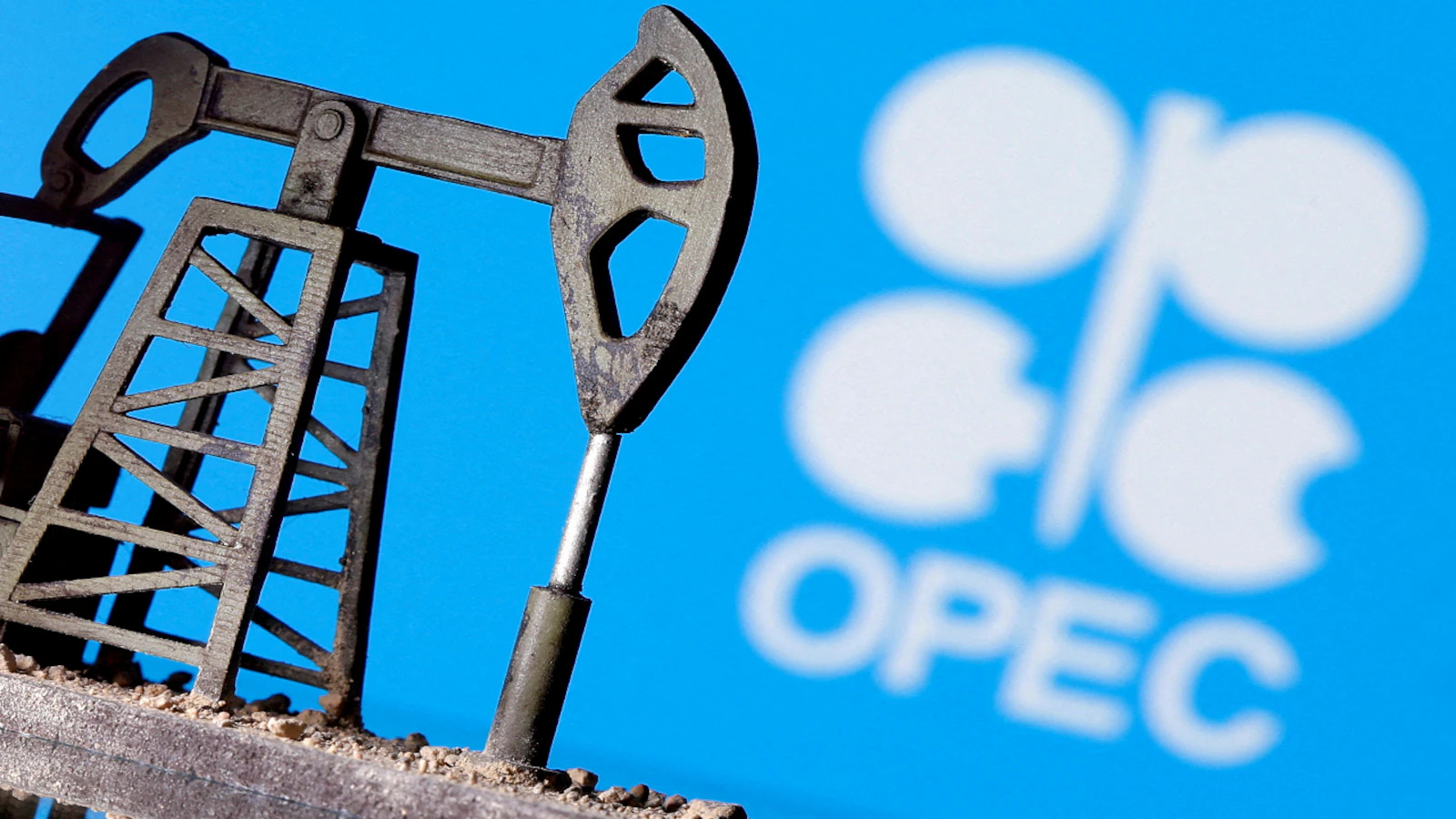
On 28 April 2026, the United Arab Emirates formally withdrew from OPEC, effective 1 May, ending nearly six decades of membership. As OPEC’s third-largest producer, the UAE’s departure is the largest single withdrawal in the cartel’s history by output. For Africa’s oil-exporting nations, the consequences are more than geopolitical.
The UAE had built production capacity to 4.8 million barrels per day (bpd) while OPEC constrained it to 3.2 million bpd. Freed from those limits, ADNOC now targets 5 million bpd by 2027, a nearly 50% increase. The strategic logic is clear: maximise oil revenues before the global energy transition makes them irrelevant.
At the centre of this competitive push is Murban, Abu Dhabi’s flagship crude. Light, low-sulphur, and cheap to refine, Murban is already an established benchmark, traded on ICE Futures Abu Dhabi since 2021 and hitting record volumes of 1.5 billion barrels in Q2 2024 alone. From January 2026, S&P Global Platts revised its methodology to allow Murban to price freely against the Dubai benchmark, cementing its role as a global price-setter for crude flowing to Asia.
This is directly Africa’s problem. Nigerian and Angolan exports compete for the same Asian markets that Murban is now aggressively targeting. UAE crude is cheaper to extract and easier to refine than most African grades. Nigeria, which needs oil prices around $75 per barrel to balance its budget, faces serious fiscal risk if an unconstrained UAE drives prices lower. Smaller producers, Equatorial Guinea, the Republic of Congo, South Sudan, have even less buffer.
Beyond the price threat, OPEC itself is weakened. With the UAE gone, the cartel loses one of its few members with meaningful spare capacity, reducing its ability to defend prices through coordinated cuts. African producers who relied on that collective backstop are now more exposed to raw market forces. The UAE’s exit also adds momentum to a fragmentation trend, Angola left in 2024, and analysts have flagged Nigeria and Kazakhstan as potential next candidates.
The immediate cushion is the Iran conflict, which has pushed Brent to around $111 per barrel. But that will not last indefinitely. When it eases, a UAE pumping at full capacity, priced through a benchmark it controls, will be a structurally different competitor. African producers need to respond now: diversify markets, invest in downstream refining, and build national strategies that no longer assume OPEC can hold the price floor.
The Murban era has arrived. Africa needs to price itself accordingly.
Sources:
- Al Jazeera — What are OPEC and OPEC+, and why has the UAE quit?
- Al Jazeera — UAE quits OPEC: What that means for the Gulf, energy markets and beyond
- ADNOC — Responsible Growth
- Oil & Gas — ADNOC announces November Murban Crude OSP at $73.41 per barrel
- S&P Global Platts — Platts amends Murban crude assessment methodology from Jan 2, 2026
- OilPrice.com — UAE Break With OPEC Puts African Crude Exports At Risk
- CNBC — UAE’s departure from the OPEC oil cartel is not without precedent. Who could be next?
- The Africa Logistics — Fuel Shock Incoming: How the UAE’s OPEC Exit Will Reshape Freight Costs Across Africa